Hi, I’m Maroffo
Engineering leader turned hands-on builder. Writing about AI-assisted development, cloud architecture, and performance optimization.

My watch buzzed at 144 bpm on a climb, and I had to decide whether to walk because the internet says Zone 2 is magic. So I read the papers. The 80/20 rule comes from athletes training 10 to 13 times a week; at three hours of running a week, the denominator changes the answer. Plus my own numbers, with the caveats they need.
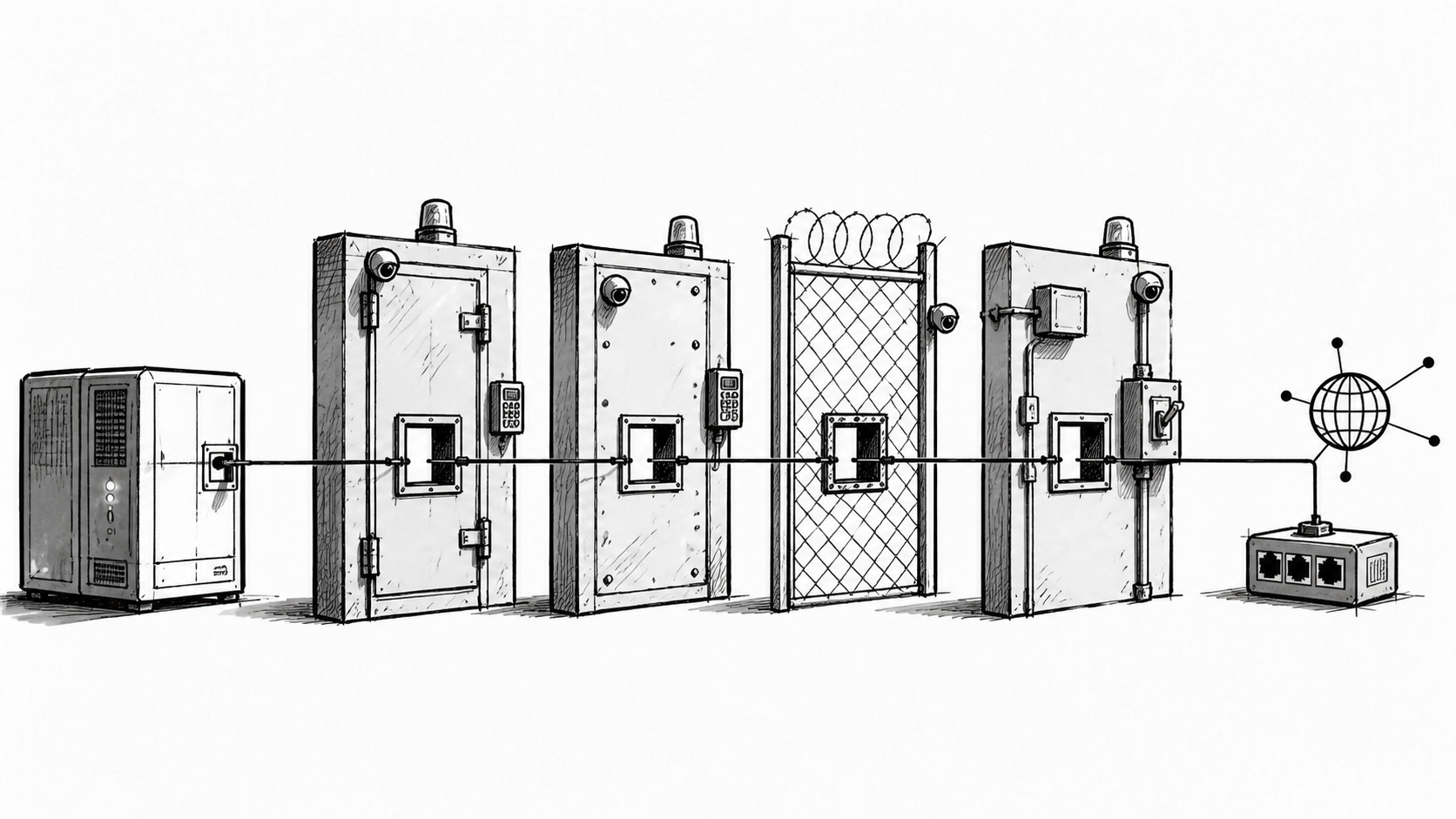
OpenAI’s cyber defense call is also market-making for its own products. The Hugging Face incident still points to a real problem: agent security cannot depend on intentions we project onto a model, or on guardrails inside it.
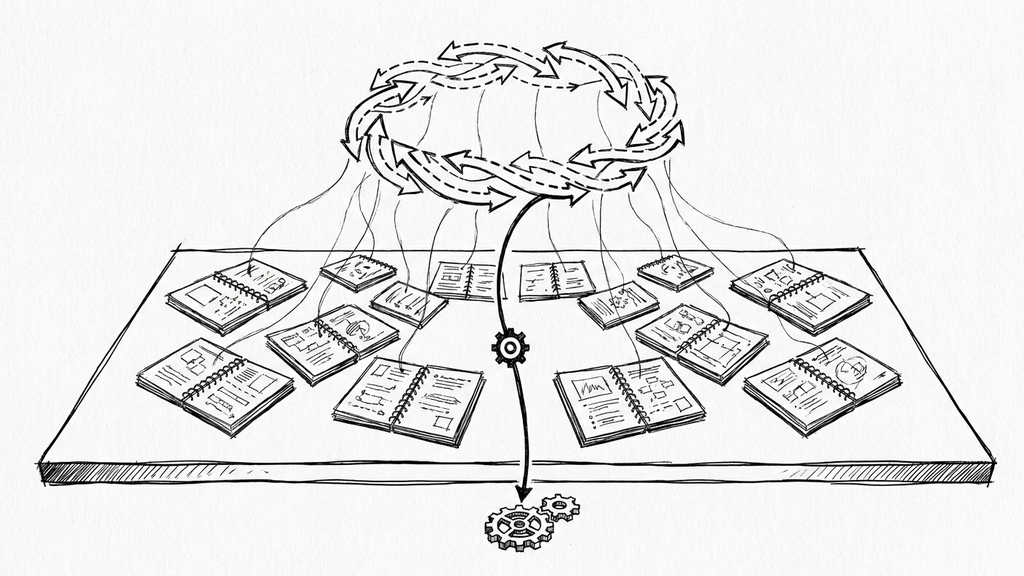
I keep a LEARNING.md retrospective in every repo I work on. Eighteen of them, 290 lessons, read exactly once. A deterministic script and one agent pass found seven failure shapes recurring across repos, and four of them became mechanical process changes the same day. Two of those shapes, I had already blogged about without recognizing them.

Abito a Villanova, la bici è il mio mezzo principale, e la mia associazione di quartiere ha appena applaudito le nuove ciclabili di San Benedetto. Io no. Non perché le ciclabili non servano: perché la letteratura scientifica dice che fatte così non funzionano, e tutto quello che funziona davvero non lo stiamo facendo.

I stopped trusting my agent’s prose and started demanding evidence. Then a reviewer agent filed a confident, well-cited warning against code that no longer existed. Evidence has a grammar: freshness, correlation, independence. I watched all three rules break in one afternoon.

At 17:00 UTC on cutover day, a re-engagement cron pushed notifications to ~100K freshly migrated users. Every device token belonged to the old Firebase project, every call failed, every failure retried, and the whole backend was pinned to one instance. Nobody attacked us. We did.
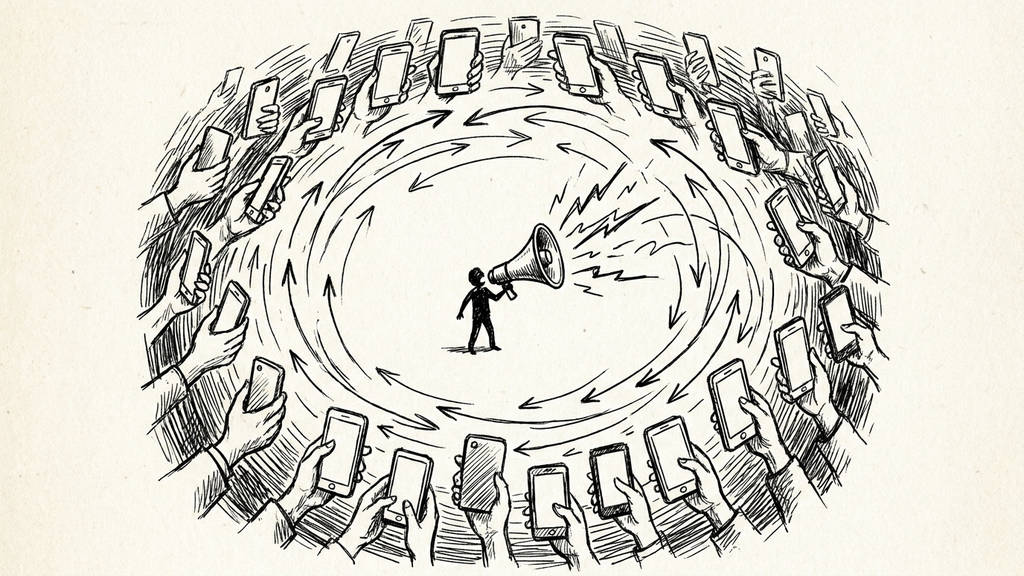
Mia moglie ne parlava come di un allarme sociale, io l’avevo liquidata come roba di nicchia. Dopo l’attentato di Montréal sono andato a fondo, partendo dall’ipotesi che gran parte del racconto fosse gonfiato: la manosfera non è né fuffa né terrorismo organizzato, è un business dell’attenzione con una coda violenta minuscola e mal capita.
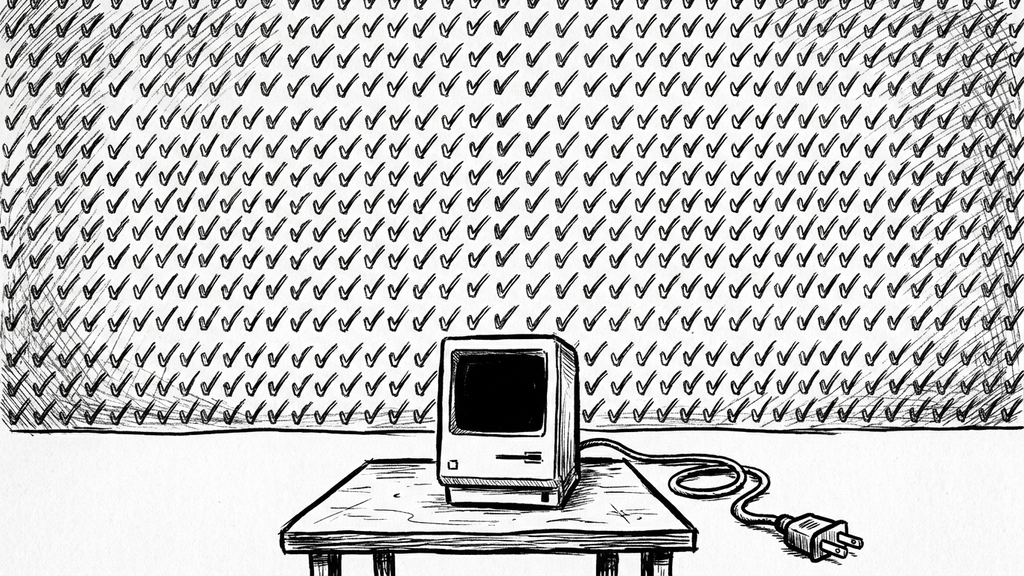
A coding agent wrote 21,000 lines of Go and 372 passing tests. The program was dead on the first run: three subsystems built, tested, and never wired together. Green is a proxy, and something was optimizing the proxy while the working program stayed invisible.

An AI reviewer told me a hash swap was mandatory and 300 to 400 percent faster. It was 23 percent slower. The lesson is not about hashing, it is about what an LLM can and cannot know about your code.

Set aside the refinery and the biggest thing Sardinia sells the world is a foreign tourist’s holiday: our most successful export and our least productive sector at once. I am fine with the first. I want to outgrow the second.