The Word 'Permanent' Isn't in the Paper
A viral tweet says ChatGPT permanently damaged your creativity. It cites two real studies. Neither paper says that. A close reading of what got dropped between the abstracts and the post.

A viral tweet says ChatGPT permanently damaged your creativity. It cites two real studies. Neither paper says that. A close reading of what got dropped between the abstracts and the post.

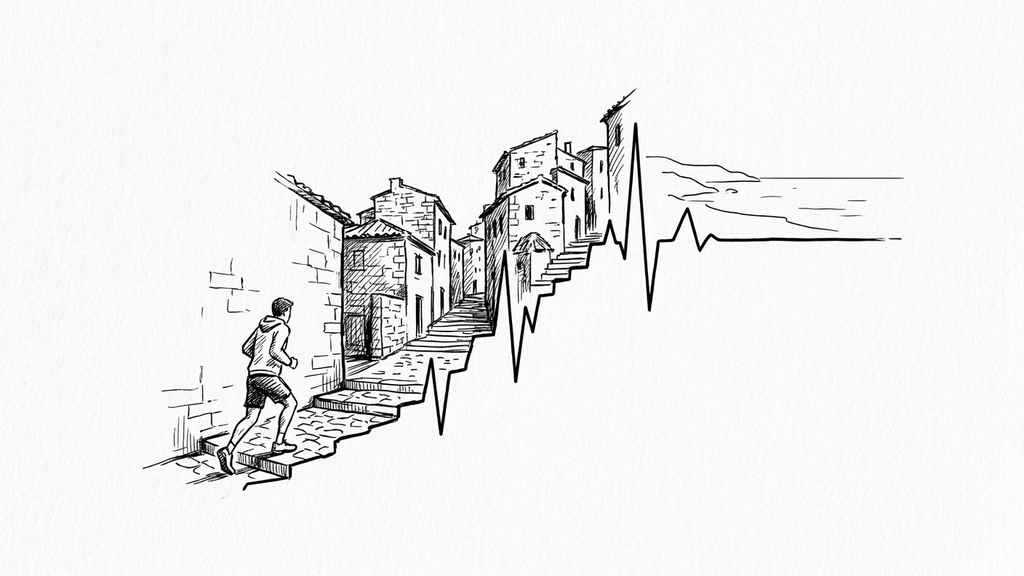
I came across the 2014 Oppezzo & Schwartz paper on Twitter this morning and went looking for the wider literature. What I found describes a pattern I had been running unconsciously for months: walking from the studio to the kitchen when stuck, a ten-minute loop to pick up my son, the dog out for a quick pee. A decade of replication, applied to AI-assisted work.

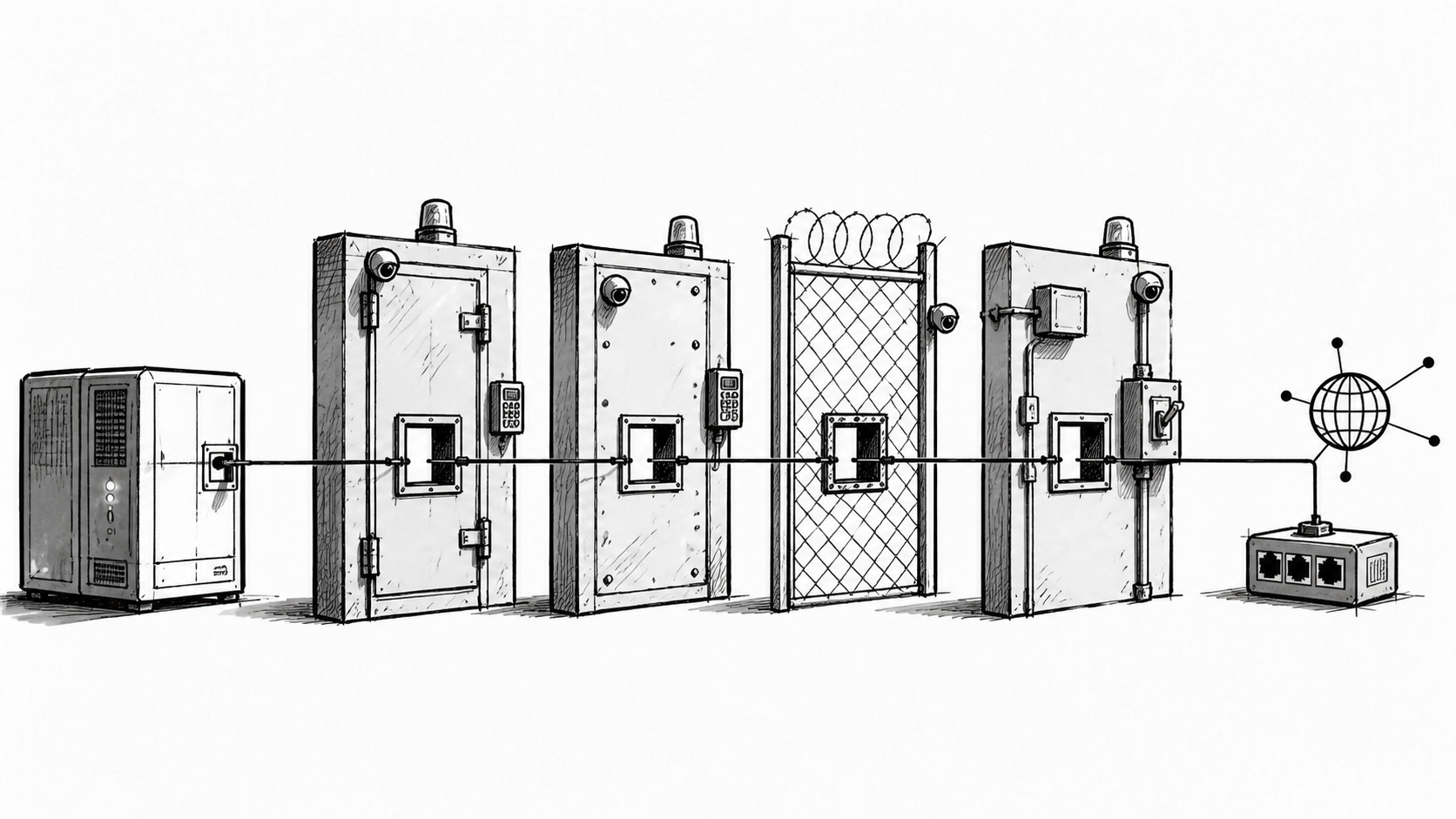
I went looking for token waste in my AI harness traces. Instead I found behavioral failures: agents that fear complexity, write stubs and declare victory, and silently delete code they don’t understand. I built four mechanisms to stop them.

Stanford’s Meta-Harness paper argues that optimizing the code around the model matters more than optimizing the model itself. I applied it to my Claude Code setup and got the first real numbers: 3,723 tokens always in context, with no evidence they’re the right ones.

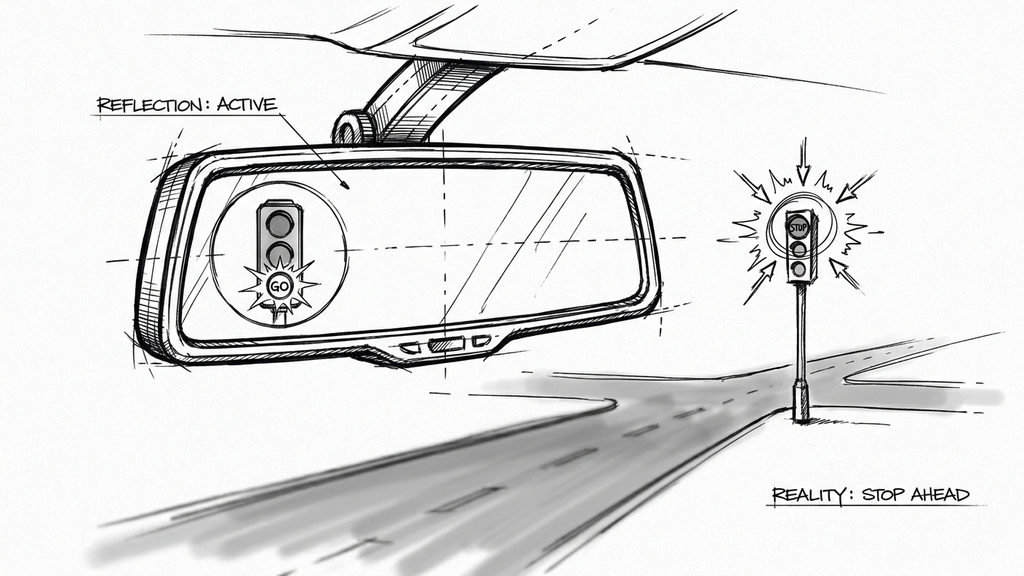
A Wharton paper gave a formal name to what I described three weeks ago: when AI thinks for you and you let it. The data is worse than I expected.

AI creates a demographic time bomb: it increases demand for senior talent while destroying the pipeline that produces it. What replaces corporate apprenticeship is something closer to Hollywood.

Keynes predicted 15-hour weeks by 2030. Gates says 2-day weeks within a decade. Meanwhile, Germany, Argentina, and Silicon Valley are legislating or normalizing 12-hour days. The paradox has a name, and it’s 161 years old.

Everyone says AI makes developers faster. My experience is the opposite: I arrive exhausted not because I wrote more code, but because I evaluated more decisions. The effort didn’t shrink. It transformed.

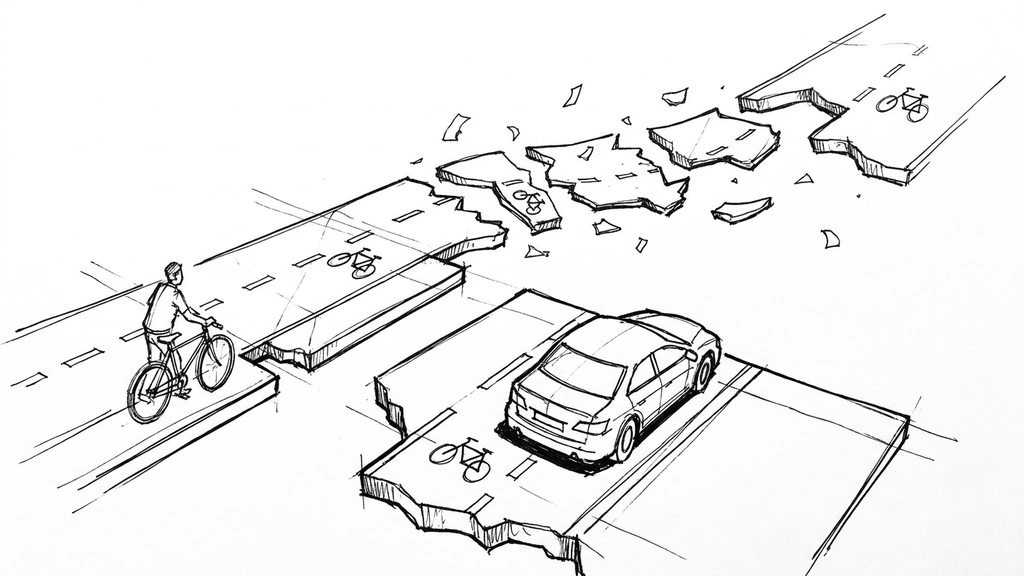
Three fractures in how we learn, hire, and distribute capability.

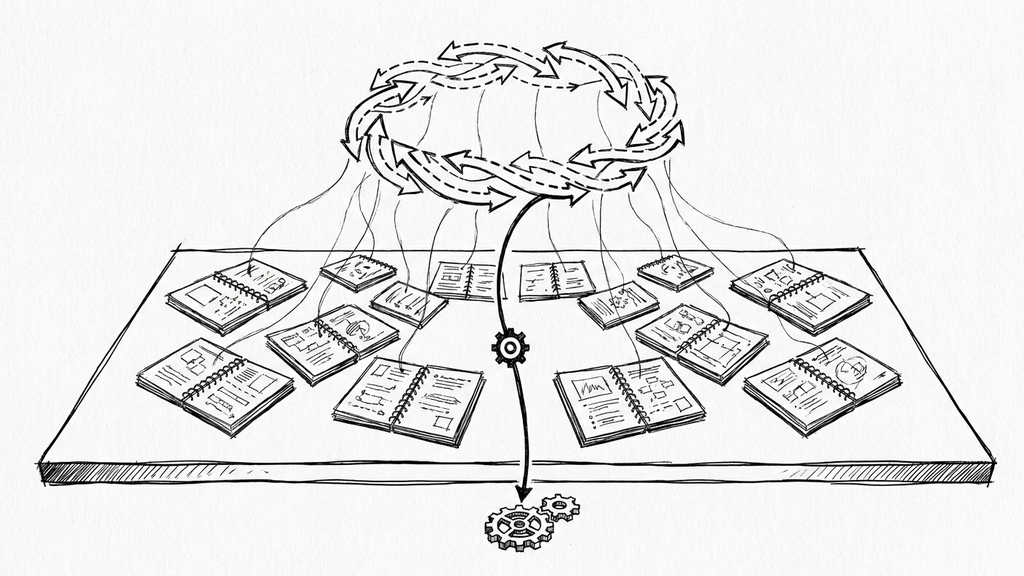
Three layers of knowledge integration between Obsidian and Claude Code: from write-only vault to a feedback loop that promotes patterns into skills.