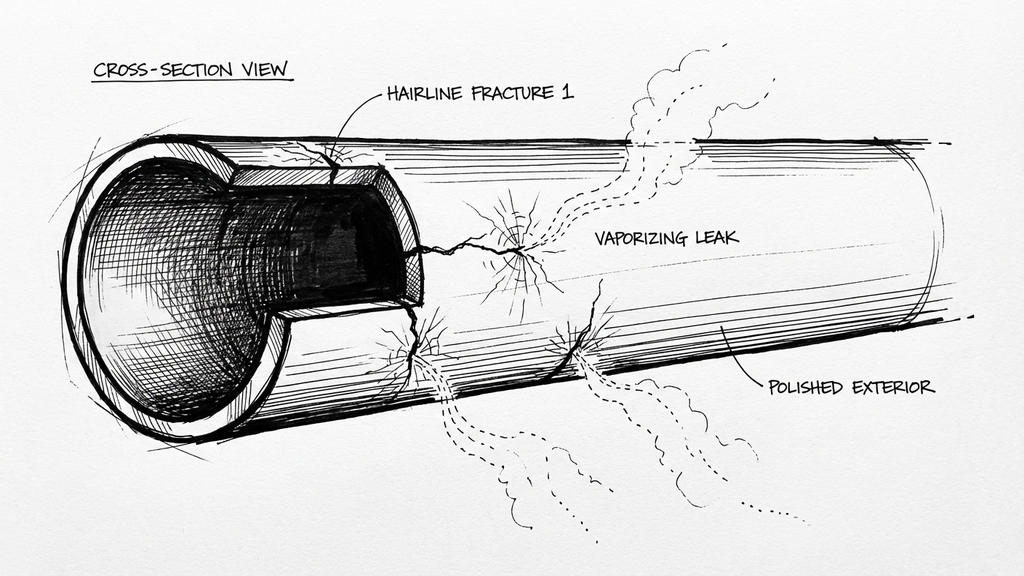
AI Is Breaking the Engineering Talent Pipeline
Three fractures in how we learn, hire, and distribute capability.
Three fractures in how we learn, hire, and distribute capability.
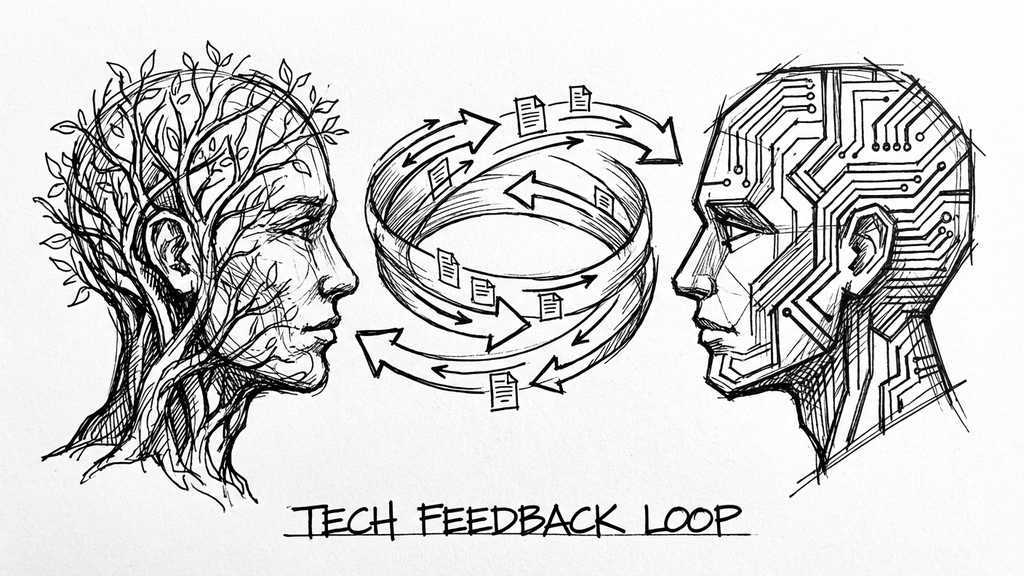
Three layers of knowledge integration between Obsidian and Claude Code: from write-only vault to a feedback loop that promotes patterns into skills.
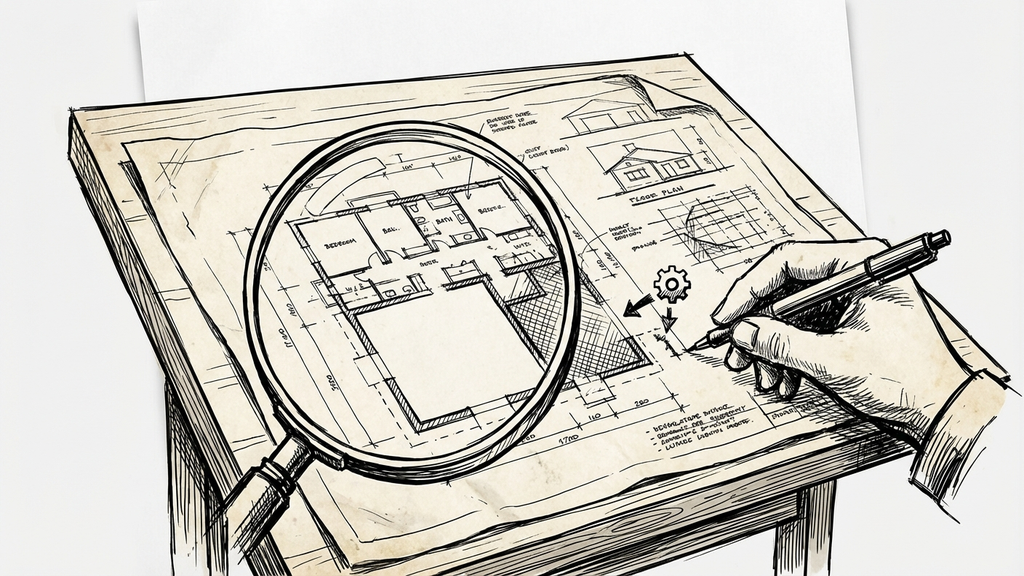
Structured requirements, deviation rules, and the art of selective theft: five concepts borrowed from GSD, twenty rejected.
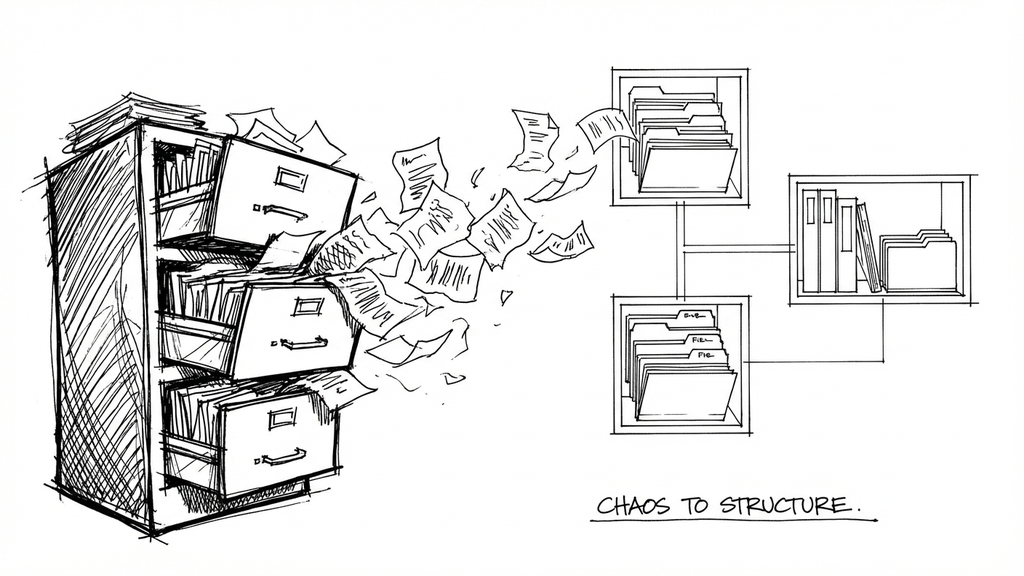
From token optimization to an orchestrated development workflow with Claude Code: teaching an AI your patterns is only part of the problem.
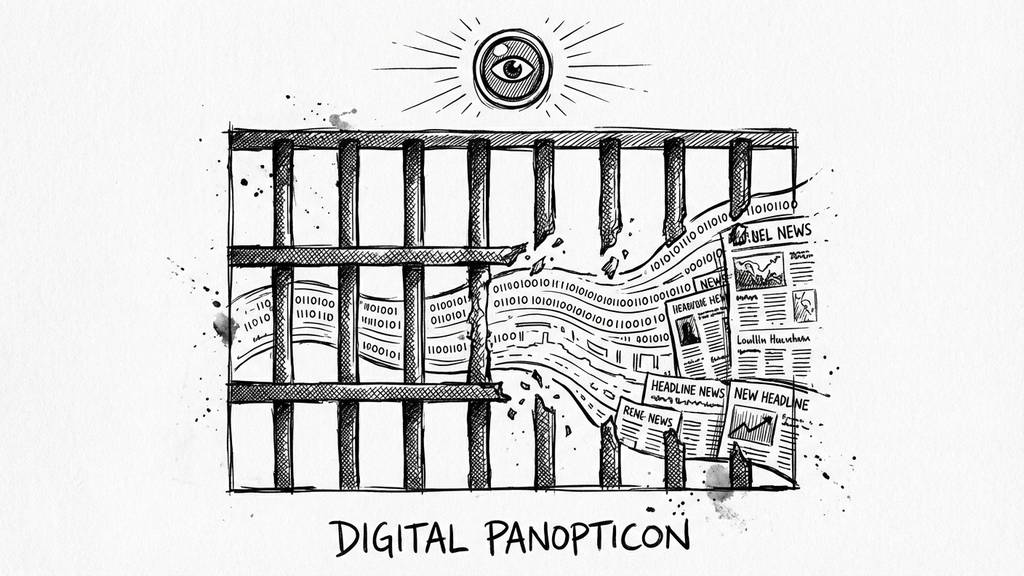
A personal project that started as “can I automate an RSS digest?” and became a full-stack monitoring platform with narrative memory, semantic search, and AI-generated editorial commentary.
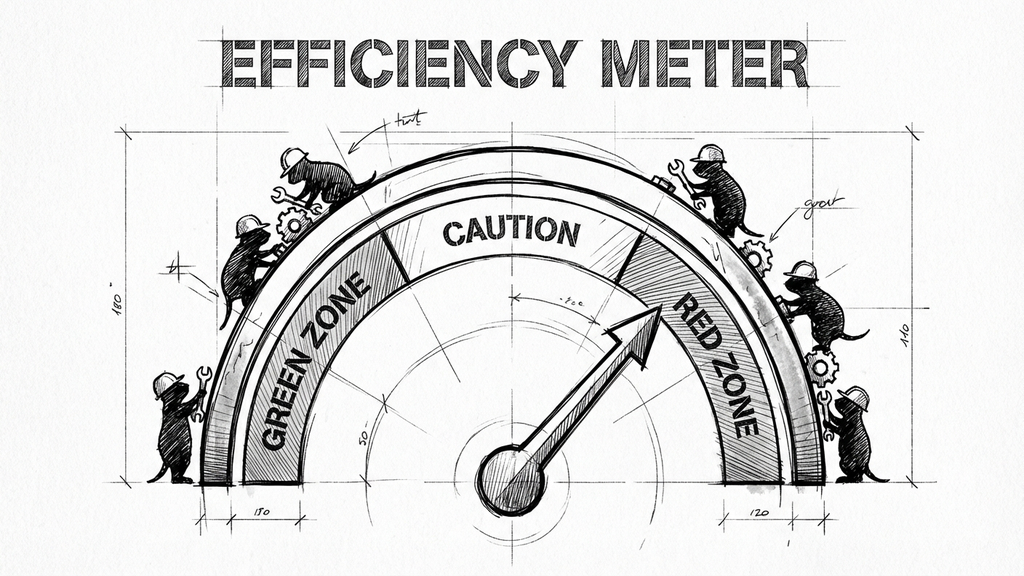
A practical guide to modern Go performance patterns we applied to our feed service at Wishew. P50 latency from ~200ms to ~50ms.
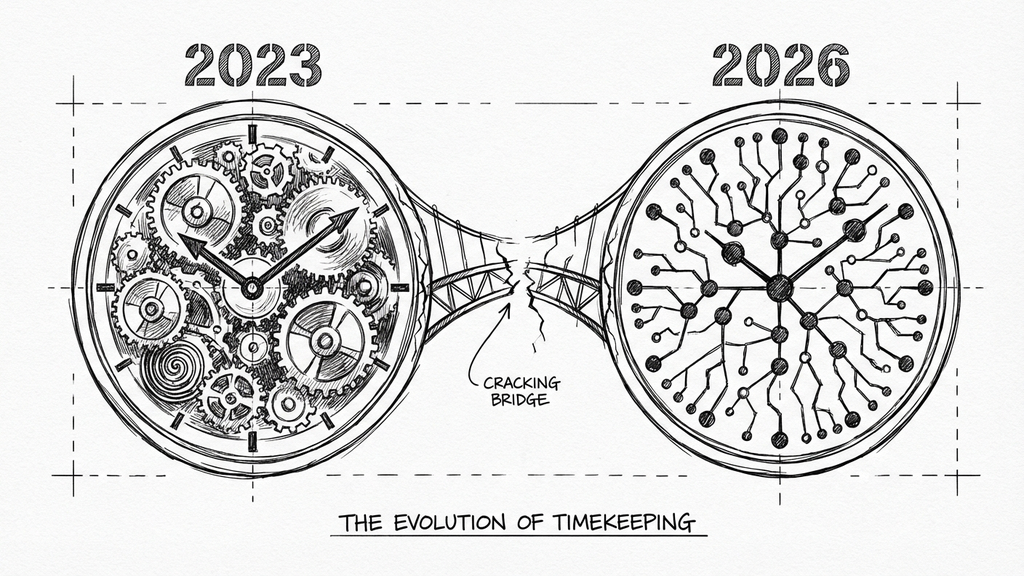
From the SPACE Era to the AI & DevEx Revolution: a necessary update.
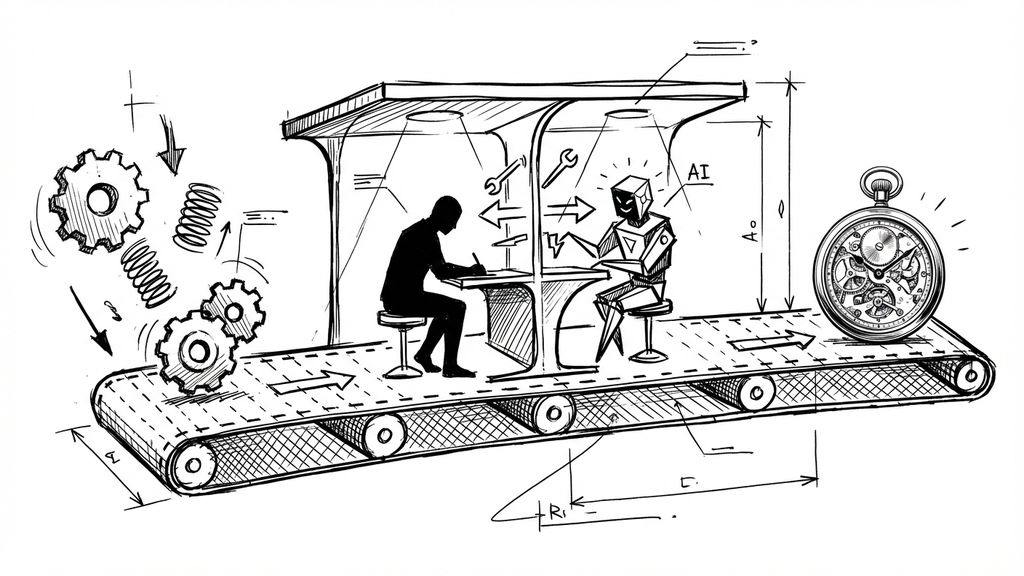
Another chapter in our automation journey at Wishew, where we bridge the gap between project management and development workflows, and discover what happens when your AI pair programmer actually knows your patterns.
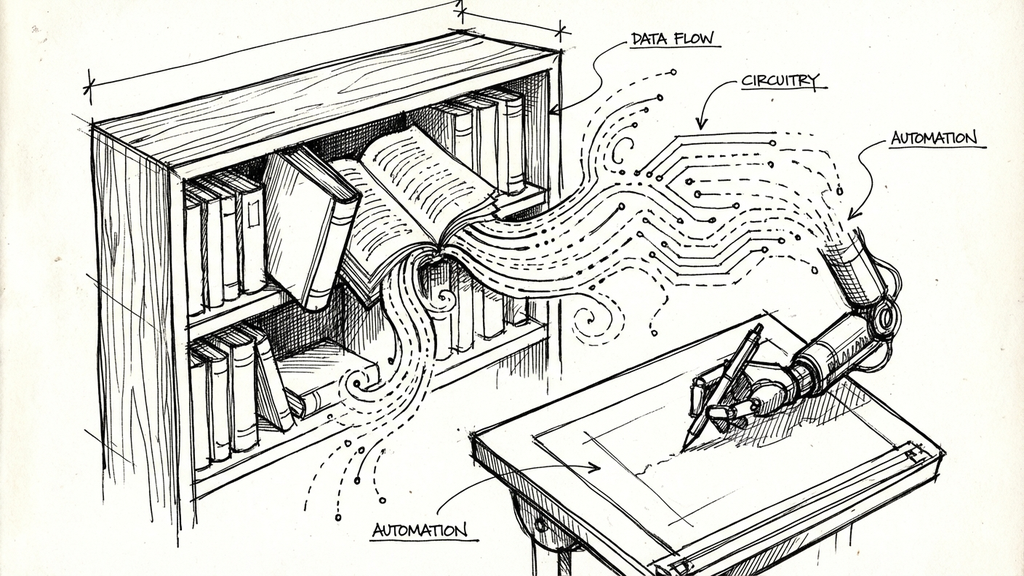
The best way to work with AI isn’t to ask it to write code: it’s to teach it your patterns first.
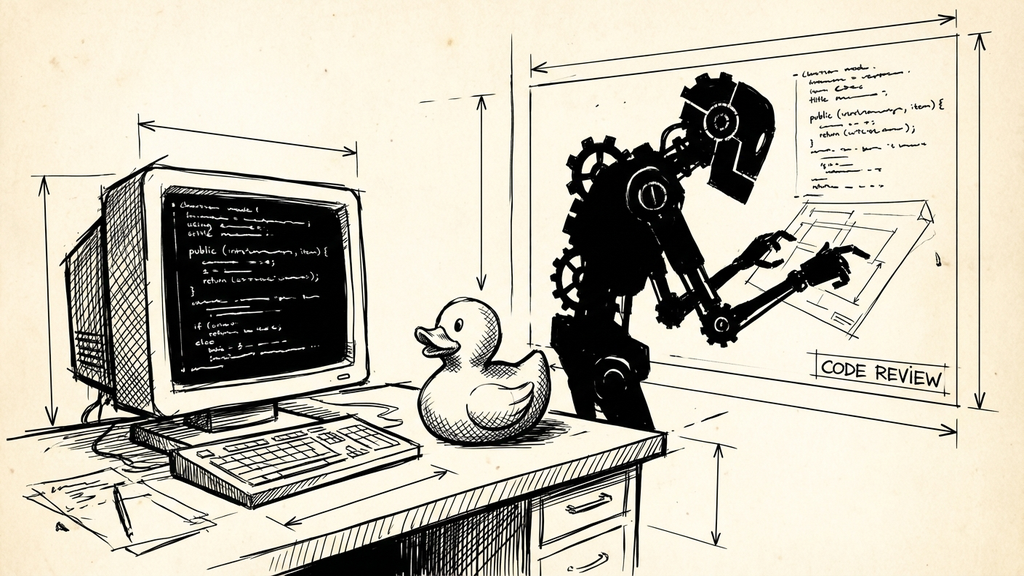
A follow-up to our automation journey, where we integrate AI-powered code reviews directly into our CI/CD pipelines, and discover that Gemini is a much better conversation partner than a rubber duck.