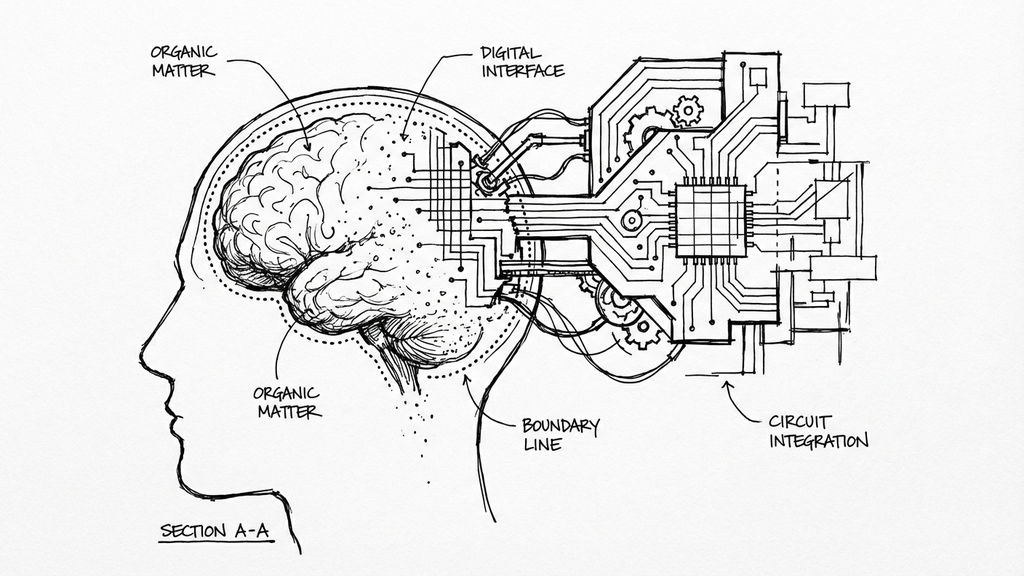
From Cognitive Load to Cognitive Surrender
A Wharton paper gave a formal name to what I described three weeks ago: when AI thinks for you and you let it. The data is worse than I expected.
A Wharton paper gave a formal name to what I described three weeks ago: when AI thinks for you and you let it. The data is worse than I expected.
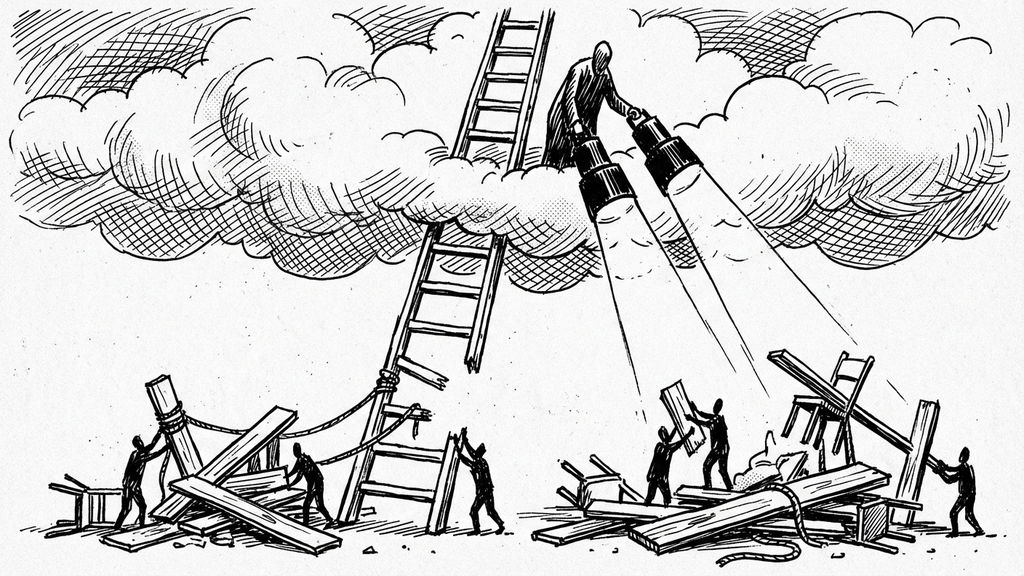
AI creates a demographic time bomb: it increases demand for senior talent while destroying the pipeline that produces it. What replaces corporate apprenticeship is something closer to Hollywood.
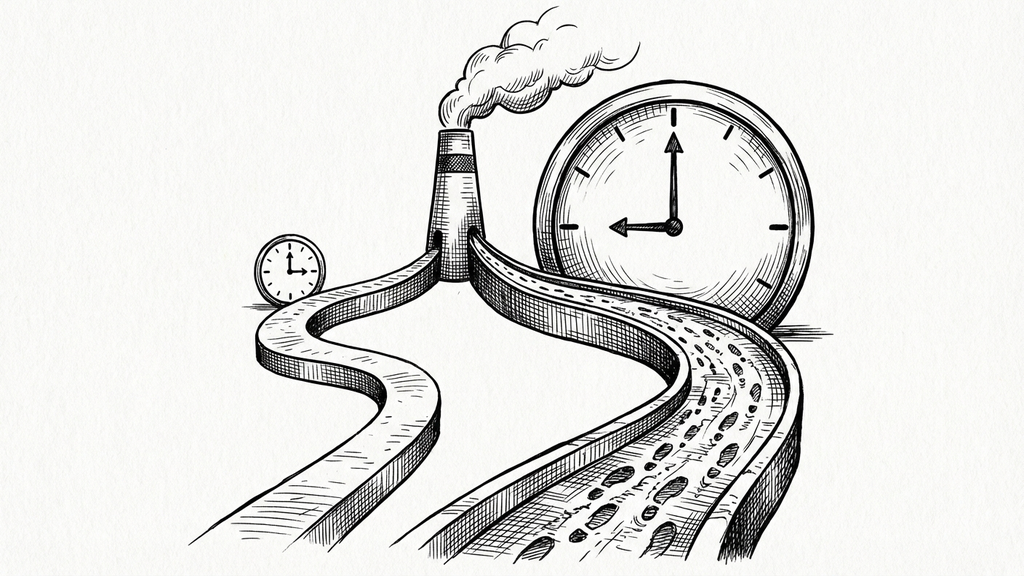
Keynes predicted 15-hour weeks by 2030. Gates says 2-day weeks within a decade. Meanwhile, Germany, Argentina, and Silicon Valley are legislating or normalizing 12-hour days. The paradox has a name, and it’s 161 years old.
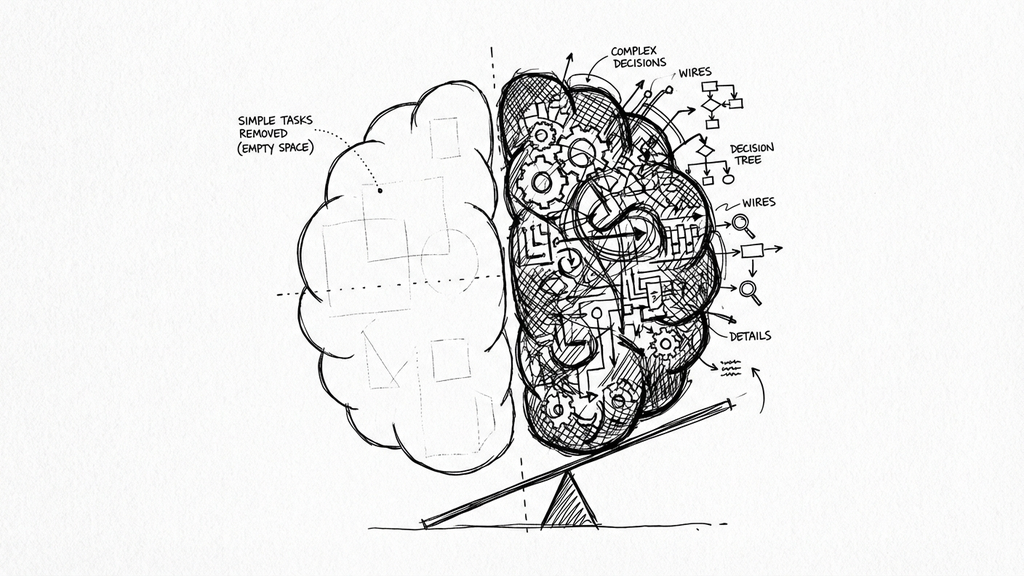
Everyone says AI makes developers faster. My experience is the opposite: I arrive exhausted not because I wrote more code, but because I evaluated more decisions. The effort didn’t shrink. It transformed.
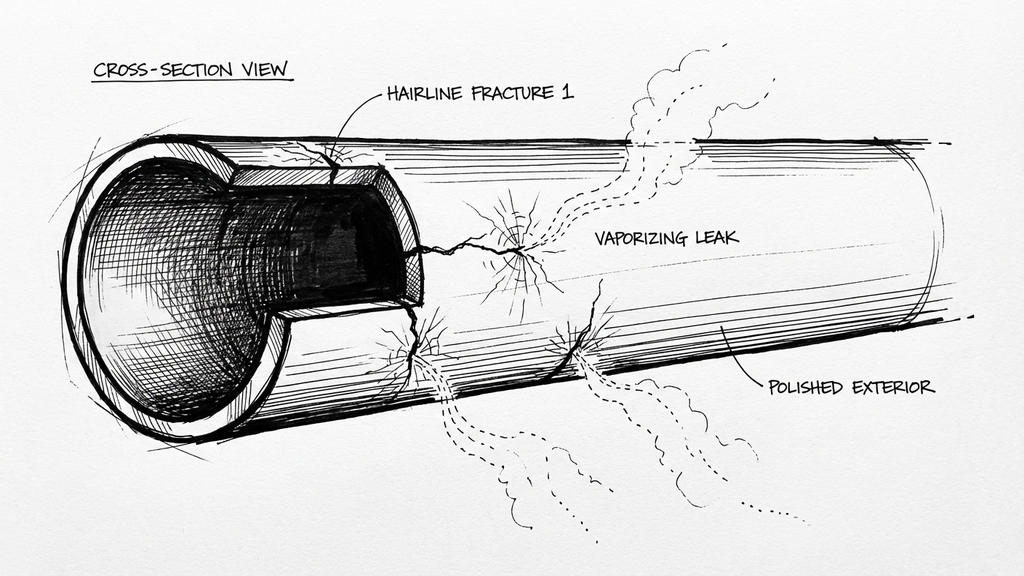
Three fractures in how we learn, hire, and distribute capability.
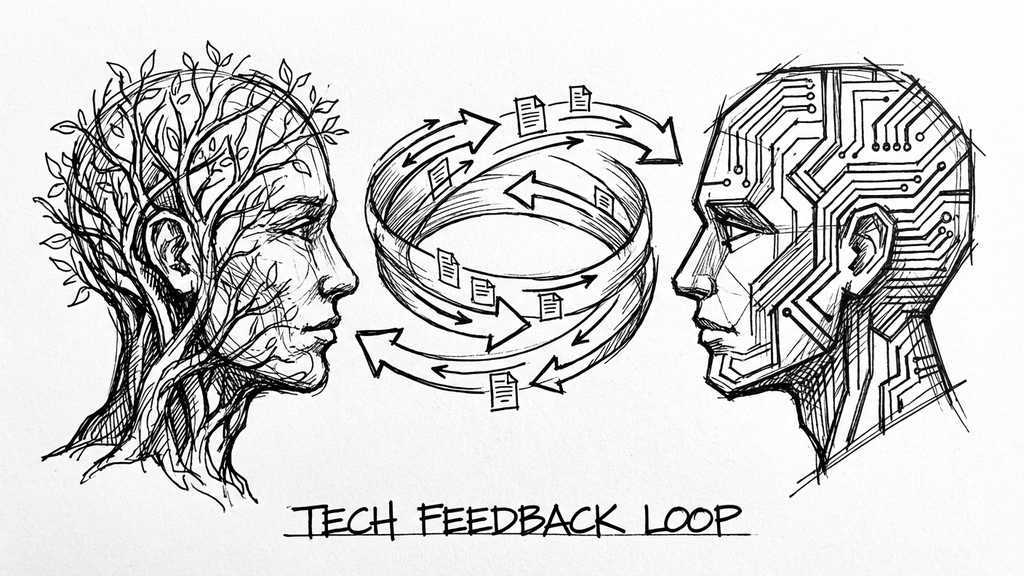
Three layers of knowledge integration between Obsidian and Claude Code: from write-only vault to a feedback loop that promotes patterns into skills.

Structured requirements, deviation rules, and the art of selective theft: five concepts borrowed from GSD, twenty rejected.
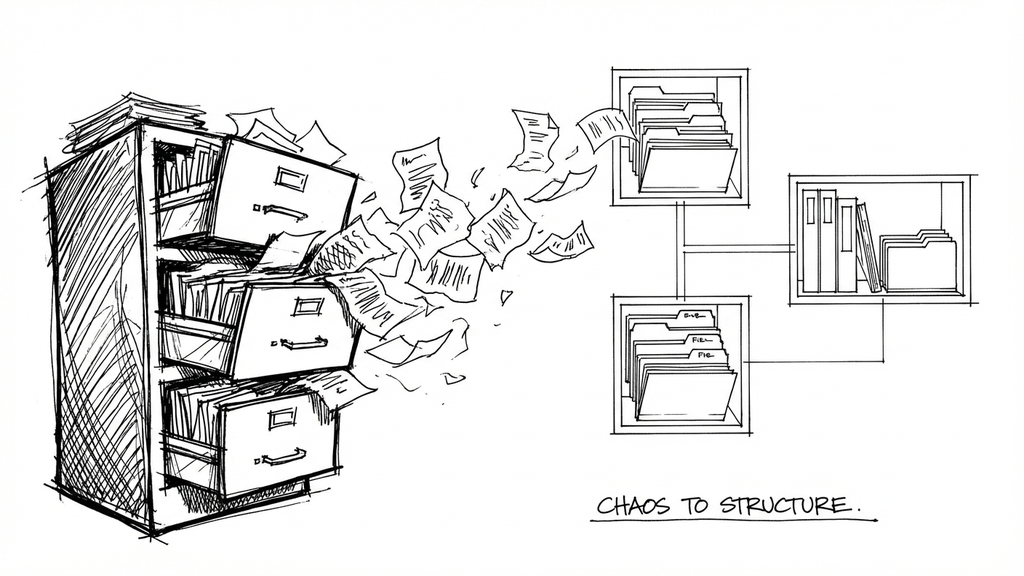
From token optimization to an orchestrated development workflow with Claude Code: teaching an AI your patterns is only part of the problem.
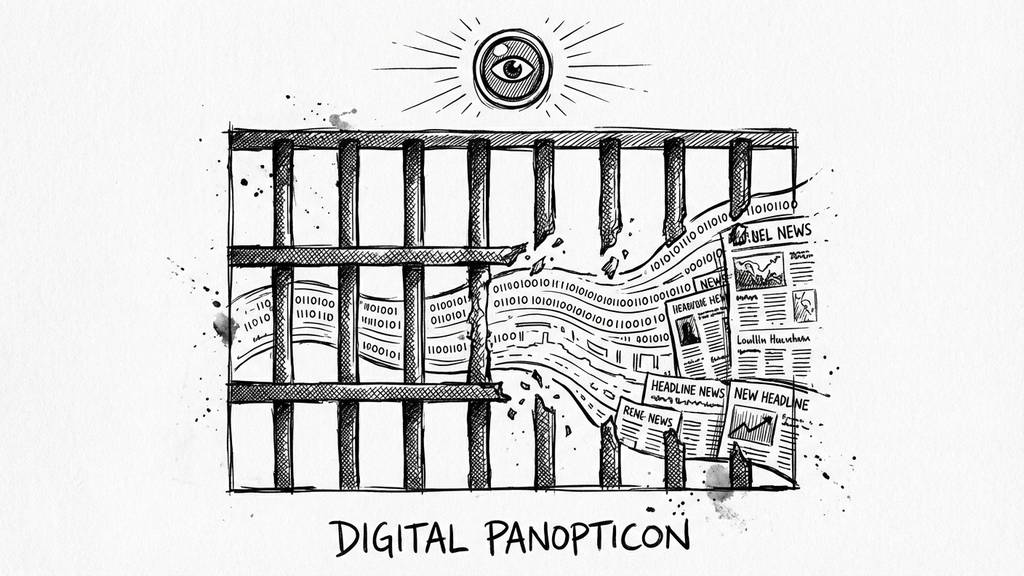
A personal project that started as “can I automate an RSS digest?” and became a full-stack monitoring platform with narrative memory, semantic search, and AI-generated editorial commentary.
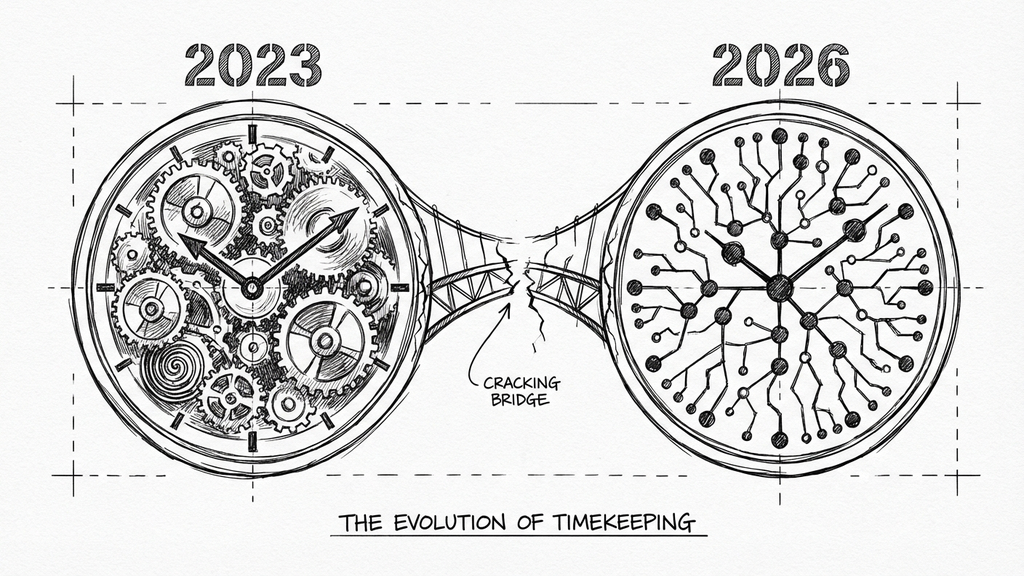
From the SPACE Era to the AI & DevEx Revolution: a necessary update.